Summary
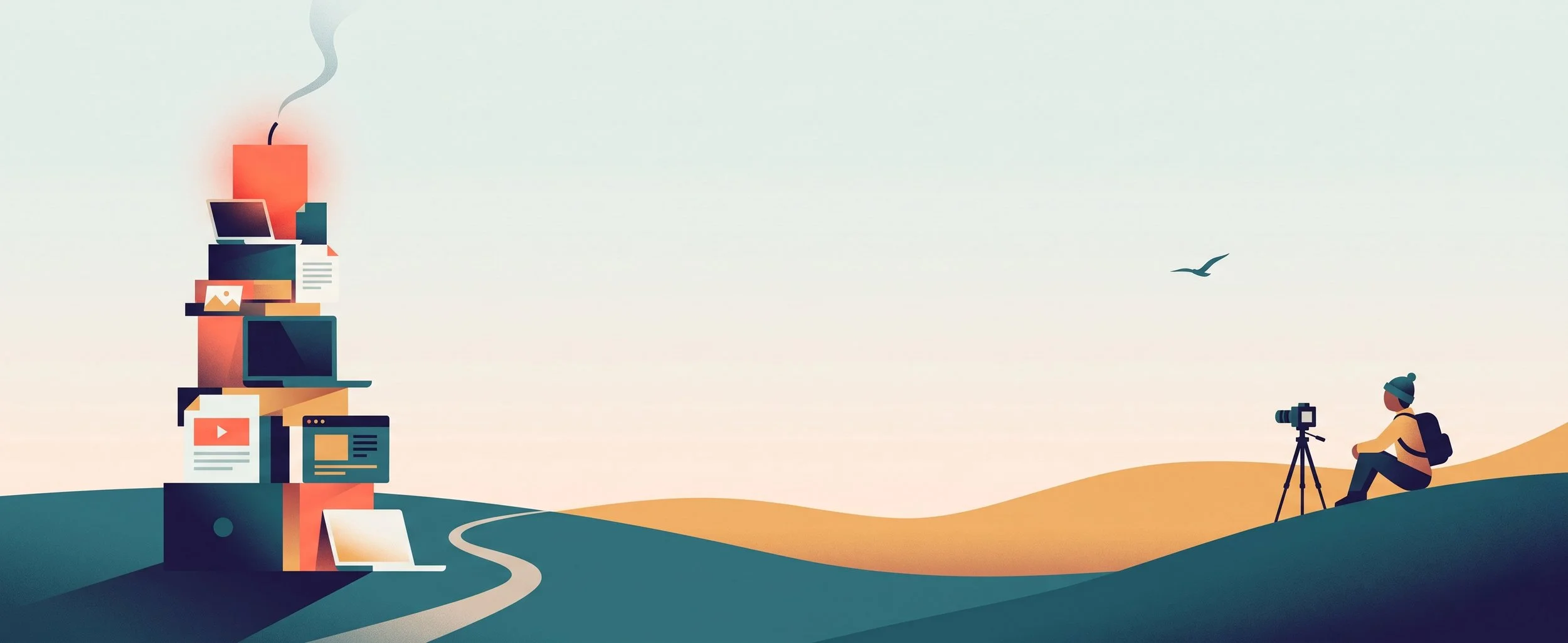
This year, a reckless pursuit of excellence burnt me out. A short break helped me reflect on the idea of balance and what it might mean at my career stage.
Over the last few years, this website has been a labour of love. Long or short, simple or complex, I’ve written a post every weekend. But for the last few weeks, I’ve chosen silence. I needed a break, because I felt burnt out. Some of it was my doing; some of it was the nature of work.
My burnout crept up on me. At the halfway mark this year, I was buzzing with energy. I’d spent a week in person with my colleagues, and I felt like we were poised to achieve great things together. Everyone wants to be excellent, but we also want a balanced life. But as Brad Stulberg says in The Way of Excellence, “balance” is nuanced.
“...balance means you never go all in. Obsession means you recklessly go all in. Prioritisation means you go all in but not on autopilot and not in a way that ruins your physical, emotional, or relational health. When you zoom in on any one period of an accomplished person’s life, they don’t appear to be balanced. But when you zoom out and look across the entirety of their life, they seem to be quite balanced.”
Over the last few months, I might have bordered on going “recklessly all in” with my work and personal pursuits. Looking back at this year, my one teammate and I have achieved a fair bit. We’ve facilitated hundreds of our colleagues through a collaborative design process to roll out Thoughtworks’ new cultural model. We’ve laid the foundations for a modern employee listening approach. And we’ve put ourselves out there, through a regular company podcast and high-end video communications.
2026 was also a great thought leadership year for me. In two decades of knowing Martin Fowler, I hadn’t found the courage to propose articles to his website. This year, I realised that I just needed to ask. Martin agreed to platform me, and I’ve already published six pieces on his website, with a bunch more in the queue. Part of the reason I wasn’t writing here was that I was writing for Martin.
And then, there was AI. Yes, AI can be a force-multiplier, but as I’ve written earlier, we humans are the bottleneck. Producing more “stuff” is never the end-all. If you care about outcomes, more stuff leads to more work for the humans in the loop. In a future post, I’ll write more about AI-induced burnout, but looking back, it’s fair to say that being “out-of-balance,” with AI as a major part of my toolset, contributed to my burnout.
So, I needed a reset and a pause. I was set to travel to Spain for work, and I asked my boss if I could tack on a few days before and after the meetings to recharge. On my own dime, of course. My boss agreed.
On a hillside in Gallifa, Catalonia, Spain
I planned to spend a few days in nature, in different parts of rural Spain. And I’ll be honest. If you zoom in on those days, I wasn’t being balanced there either. I’d get up early to find birds or animals, and some days I’d stay up late, waiting for a genet or an owl. No writing. No work emails. No presentations. No docs. None of that. I spent hours sitting in hides, waiting for a target species to show up. It was a struggle, but it was a struggle I’d chosen, so it felt more refreshing than exhausting.
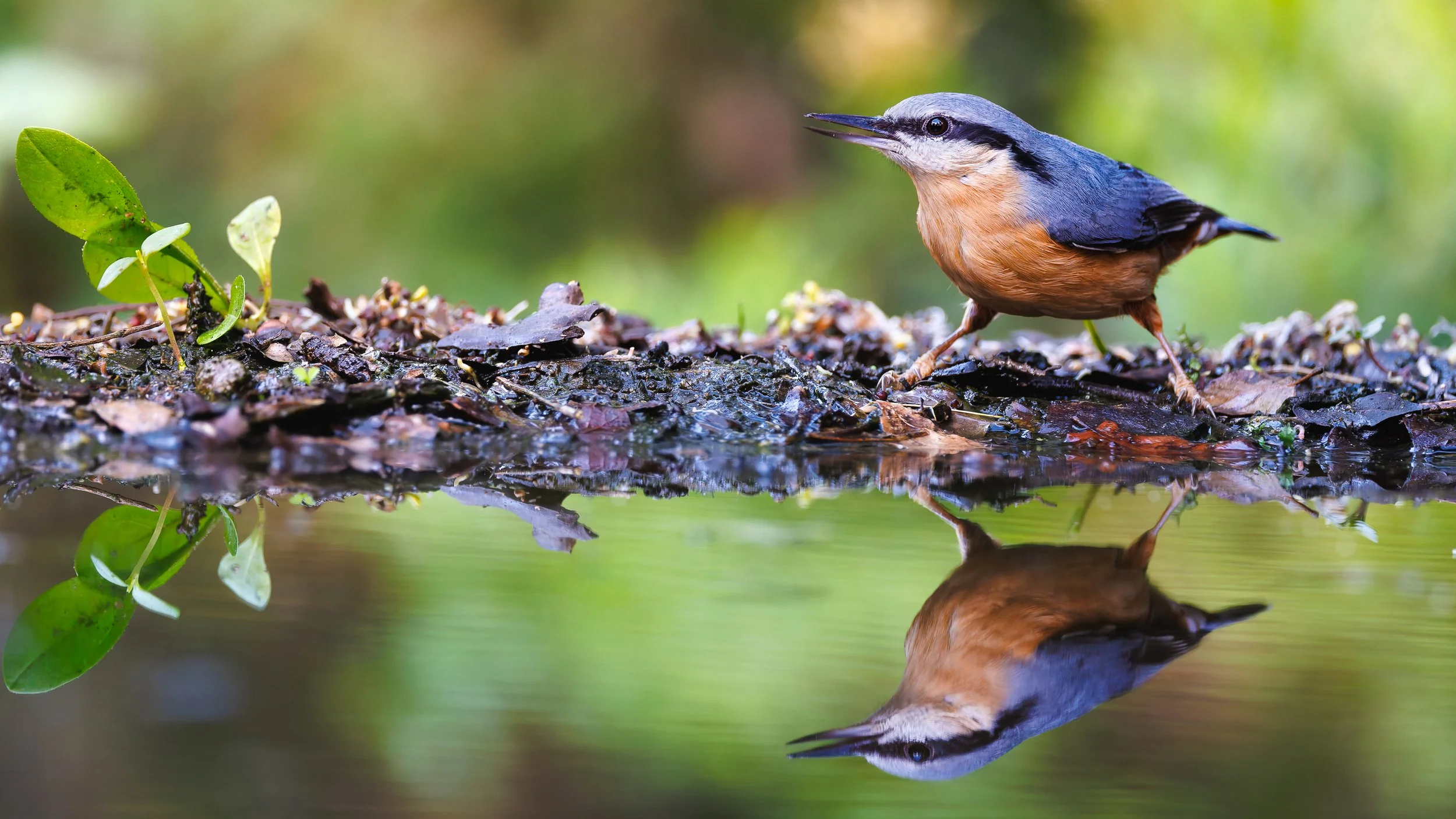
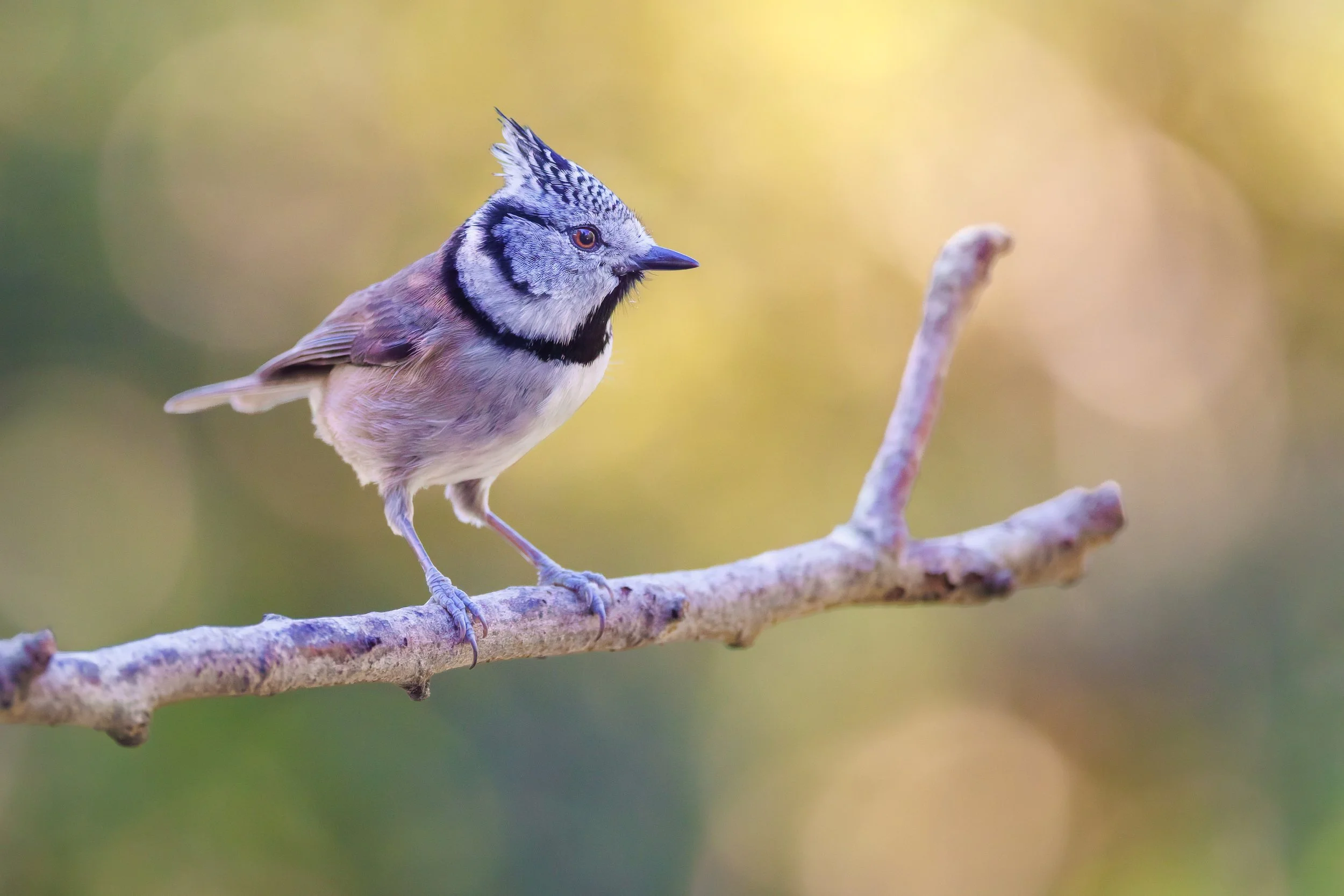
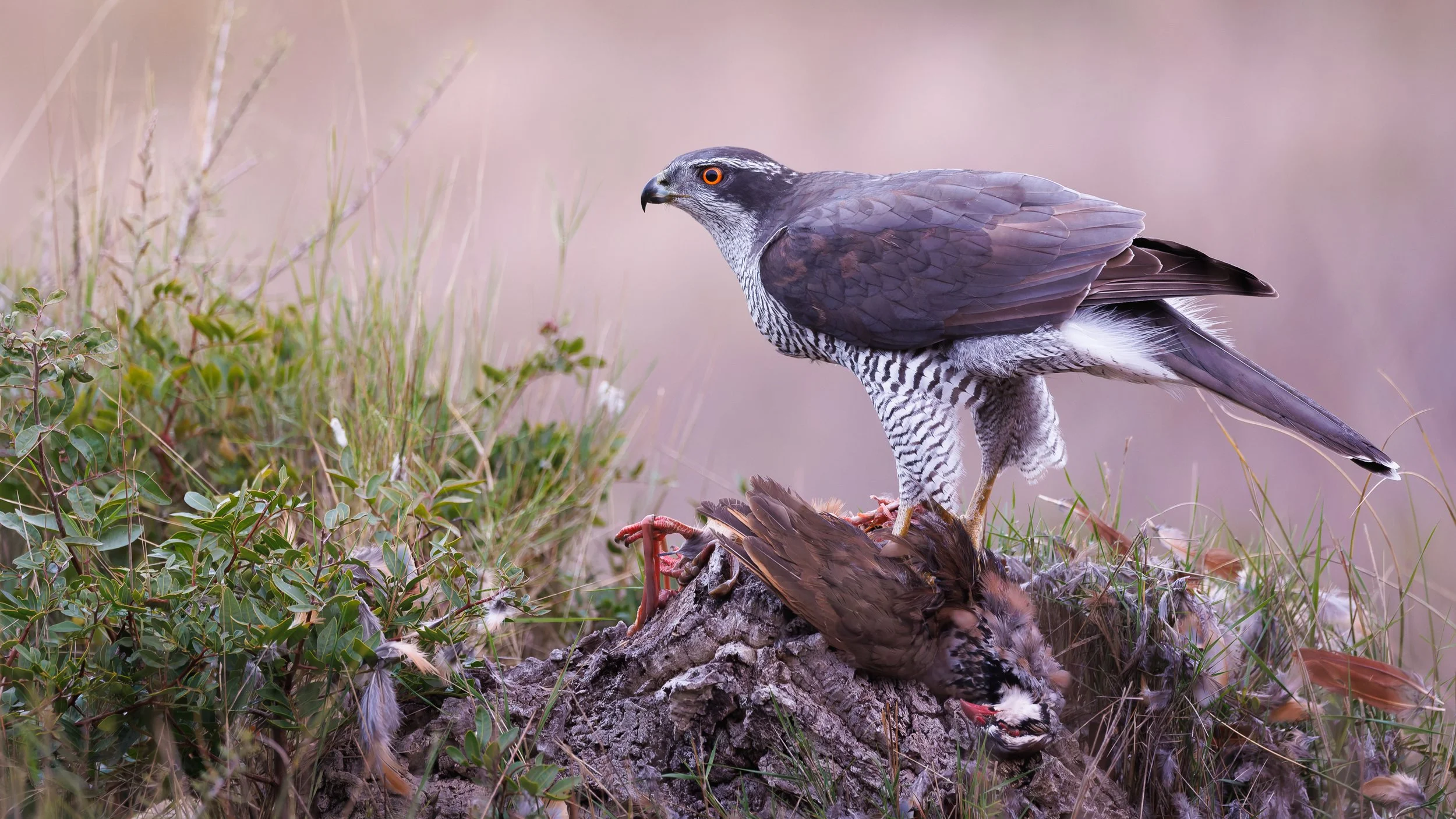
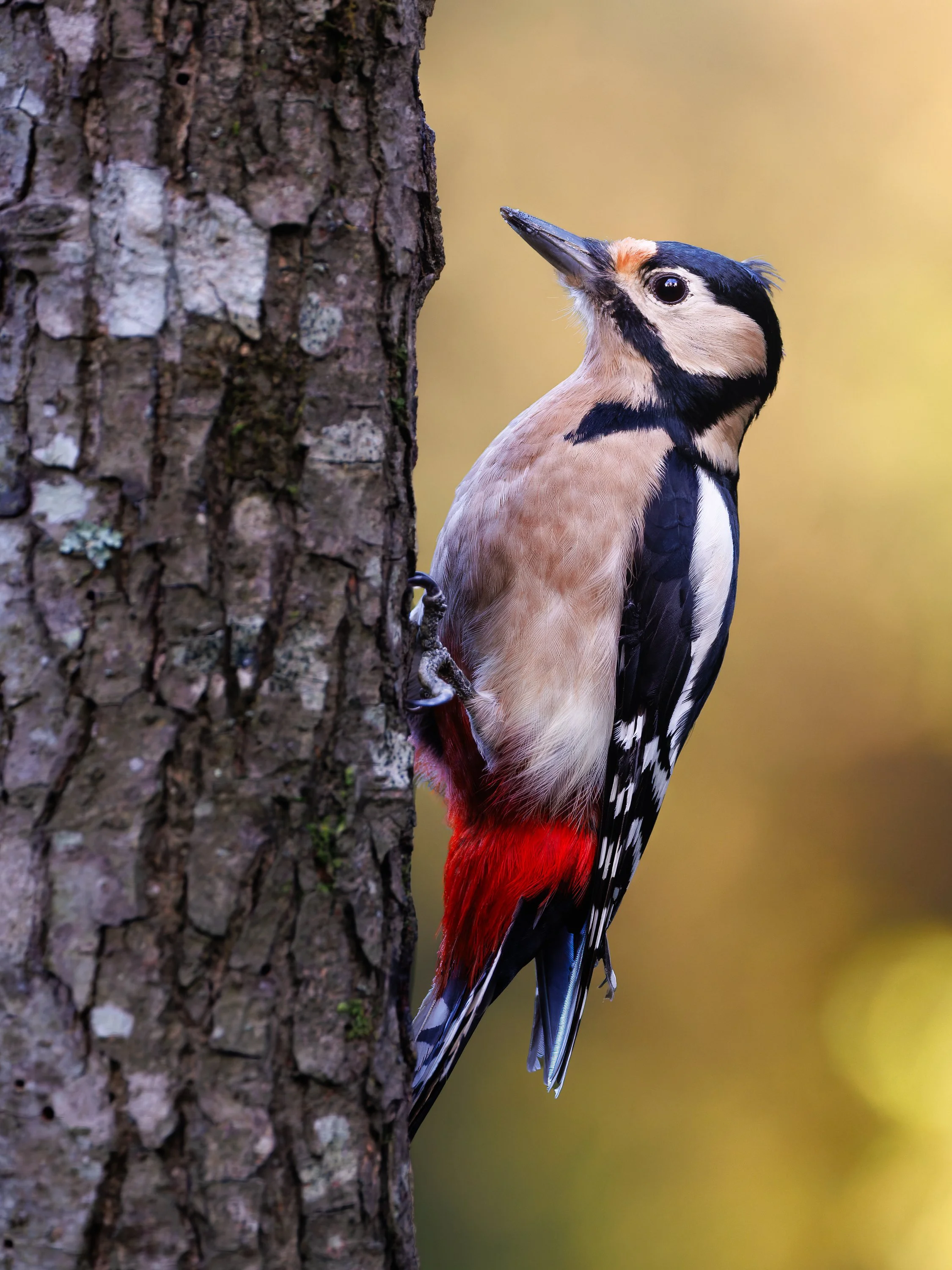
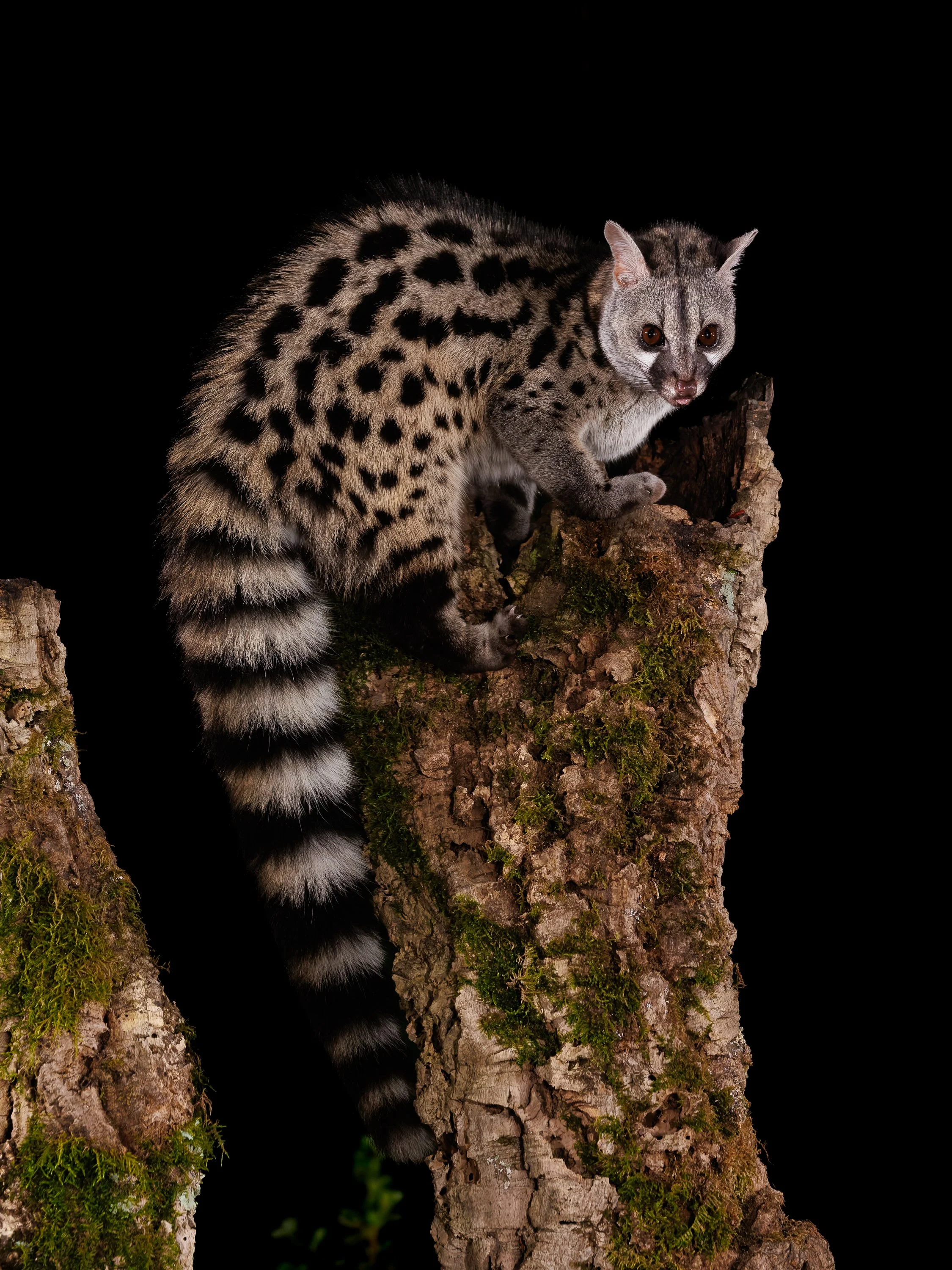
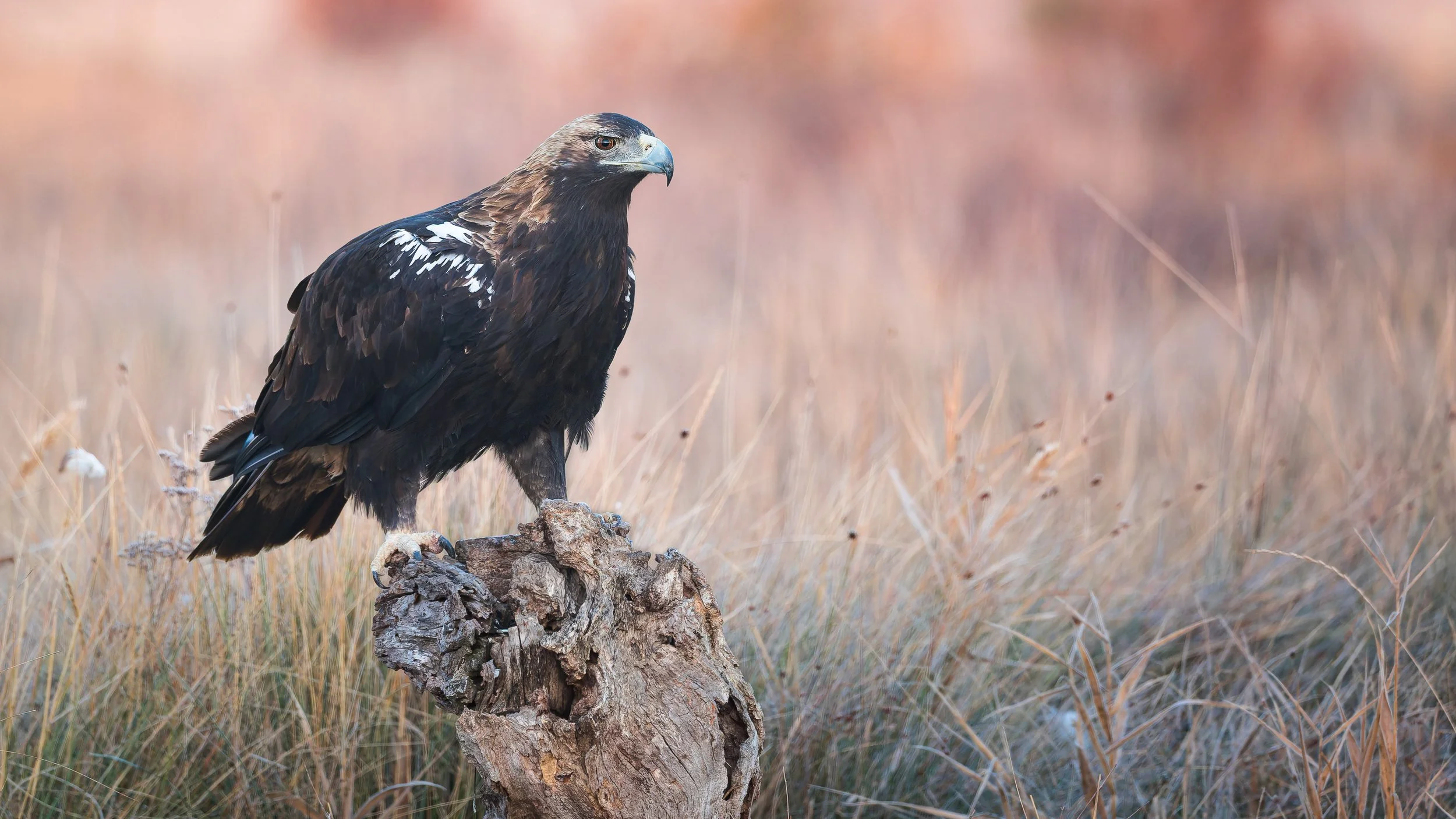
Now, I want to be clear. The purpose of a break isn’t just to recharge so we can slog through work again. That mindset makes work the centre of our existence, and I don’t operate with that mindset. My breaks are to reconnect with everything else that makes me the person I am. For weeks, I hadn’t done any photography. I hadn’t taken in the crisp morning air. I hadn’t been out in the wild and faced failure when looking for an animal. I hadn’t even spent enough time reading, without being preoccupied with the next thing I’d do at work. My time away was a contrivance to connect with the other parts of my portfolio life.
I got back to work mid-last week. Aside from feeling reenergised, I feel I’ve reactivated those other parts of my portfolio. My reading has picked up some momentum. I have a few photo projects that I can divert my attention to. I will write about work, but I’ve identified other writing ideas too. And I want to be a bit more intentional about spending time with my family and friends. Let’s see how I do on that front.
But with all those boxes to tick, I fear I could be heading into another trap — that of misprioritisation. Burnout can come from being “recklessly all in”. It can also come from trying to do too much. As I return from my burnout phase, I hope to also remind myself of what Stulberg says about priorities.
“It’s true that the best performers check all the boxes, but they also make sure that all the boxes are worth checking in the first place. You’ve got to ensure you aren’t worrying too much about the last 0.1 percent and not enough about the first 99.9. It’s a good practice for our lives as a whole, too.”
Yes. I agree, and I hope this post serves as a note to myself that I revisit in the future.