
The hardest thing about hard things
Summary
The hard thing about hard things is never the hard thing. A craft isn’t only about the outputs it produces. Technology is seldom the biggest blocker. Vision, taste, judgment, and most importantly, the intrinsic motivation to practice the craft and engage with the struggle, are the hardest parts of any creative work.
No, I’m not channelling my inner Ben Horowitz. And yes,
“The hard thing about hard things is never the hard thing.”
For example, all the focus on AI-coding assumes that coding is the hardest part of software engineering. That’s like telling me, a photographer, that the hardest thing about photography is hitting the shutter button. This is where an observer’s perspective differs from that of the practitioner. Indeed, that’s why when some people like one of my photographs, the first question they ask is, “Which camera?” I don’t judge that outside-in view, but it illustrates how the hardest parts of a discipline aren’t evident in plain sight.
A few days back, I spent close to 50 hours in a hide, over four days, waiting to photograph the elusive Iberian lynx. This cat was on the verge of extinction after its population fell to 62 individuals in 2001. Today, after two and a half decades of conservation efforts, the lynxes have turned the conservation corner. With over 2500 wild individuals in Spain and Portugal, the species is vulnerable, but no longer endangered. As I sat in the hide practising photography, I wondered what the hardest parts of the skill are. Since some of those reflections apply to knowledge work, I want to share my notes with you.
Here’s what the hides look like — wooden boxes, facing a shallow pool of water
The tools aren't the hard part.
It’s early morning. The sun is shining behind your back. A beautiful wood pigeon lands beside the pool in front of you. It drinks, then splashes about in the shallow pool before preparing to take off. You hit the shutter button in synchrony with its flight. When everything goes right, you have the classic take-off or flight shot, with the bird’s wings extended and the splash of water completing the story.
A wood pigeon flies out of the drinking pool
It’s easy to imagine that the camera did the work. But did it? I’d argue that tools only get you so far. If you want the same shot, I could dial the camera settings for you in 30 seconds. No exaggeration there. Modern tools do simplify some steps. Subject tracking and detection, fast frame rates, big sensors and high resolutions — they’ve all made photography a more forgiving endeavour. But to make the image, you need much more than just capable tools.
Vision, taste and judgment are harder.
I’m not a professional photographer, and I don’t have the time on task that more accomplished photographers have. What I do know is that while it’s easy to take snapshots, it's harder to make compelling images. To make wildlife photographs, you must understand your subject and anticipate its behaviour. Every species has its idiosyncrasies. Knowing them prepares you for moments before they happen. Otherwise, you’ll always react to the situation in front of you, and you’ll always be a few moments too late. Each season lends a unique aesthetic to your photos. Planning helps you optimise for that aesthetic.
Crested starlings mobbing a snake that’s moving in the bush below
Positioning matters. Small changes in position change the foreground, the backdrop, the lighting and the mood of an image. Position yourself incorrectly, and no camera can get you the shot you are after. And then think about the design of the hide and the pool in front of it. Too deep a pool, and the little birds won’t descend. Too obtrusive a hide and the wildlife won’t approach it.
Oh, and a photo is never quite the finished product straight out of the camera. Even the best equipment money can buy cannot experience the scene the way you do. Post-processing turns the data your camera captures into the memory that you froze when you hit the shutter button. Tasteful editing often differentiates a cohesive body of work from a collection of random snapshots.
An Iberian woodpecker in the sunset
So, when do you make the image? When you hit the shutter button? When you first visualise the image you want? When you begin to plan the trip? When someone sets up the hide and the pool? Or weeks after the event, when you pull the image out of your camera and apply an edit that depicts the mood of what you saw with your eyes? If you were to plot the making of an image on a timeline, the chart would be many hours, days, months, or years long. The duration for which it appears and lives on your camera is a mere fraction of that timeline.
When skill and tech are in lockstep
The beauty of sitting at a hide for 11 to 12 hours each day is that it accelerates your learning, even about things you didn’t know yet. For example, after watching the birds bathe at the pool, I realised that blackbirds don’t quite fly out from the water. On the other hand, doves, finches, sparrows, and magpies behave in rather predictable ways. Once I’d learned about their behaviours, making fun images became a lot easier.
An adult magpie feeds a juvenile
When you’ve planned well, you know how to observe these behaviours and have an established editing workflow, you don’t think about the camera controls anymore. Your mind, body and equipment function as one unit. Technology is only a vehicle for your skills. The fly on the wall studying human photographers may still think of the camera work as the hard part, but by now you know that’s an illusion.
But here’s the thing. Vision, taste and judgement are harder than wielding the technology, but they aren’t the hardest thing about the hard thing. After 50 hours in the hide, I had an epiphany about the most challenging aspect of being a wildlife photographer.
The hardest thing
My wife knows as much as there is to know about wildlife photography. On tools and technique, she’s no worse than I am. She also enjoys looking at wildlife photographs and footage. But ask her to spend 50 hours in a hide, and you’ll hear some choice words. Ask her to bake in the sun to watch foxes or boil in humid conditions to photograph apes, and I wager you’ll see her dark side. Hanging out of a car to get at eye level with a lion? Naah! The process isn’t as gratifying for her as it is for me.
European rabbits are the lynx’s main prey
And I guess that’s the hardest part about wildlife photography — to find the intrinsic motivation to be a masochist. To want to spend hours inside an unventilated hide, in oppressive weather. To court failure. To come back with nothing usable after 12 hours and still want to show up the next morning. Photographers take joy in the process, not just the output. And while “process” may sound like a four-letter word; in the long run, effective, joyful processes beat sporadic flashes of brilliance.
Geeking out for its own sake
50 hours in the hide felt a lot like my early years in software. We weren’t there just for the “hero shot”; we were there because we enjoyed the messy process. The joy came from problem-solving with users and clients, debugging, refactoring, arguing about design, learning a new language or framework and getting better at what we did, not just from shipping a feature.
When I joined Thoughtworks, some people wore t-shirts that embodied the ethos of being a tech worker. The chest print said, "It's like college with money." You could open the puzzle box of a computer, and someone would pay you for it? Nerding out all day, and free food and snacks in the pantry? Get out of here!
That time continued for many years. Geeks would join the software industry to geek out. Writing computer code (among other things) was a way to immerse oneself in a joyful process. The output was important, but we often thought of it as incidental to that process. Indeed, that’s why Dan North and Martin Fowler wrote their chastening essays, encouraging programmers to focus not just on the craft, but also on making “customers rock at what they do.” Their reference, of course, was the craftsmanship manifesto, the first line of which values,
“Not only working software, but also well-crafted software.”
And there, dear reader, lies the rub of the AI-era. The software works, at least sometimes, and the visible “hard thing” of writing code may seem easier. But do we still feel as connected to the craft? Is the process joyful, or are we mere button-pushers in a factory, where a probabilistic system approximates our work? What once felt like a reward now risks feeling like just a job. Are tech employers ready for the transactional behaviours that workers associate with “just a job”?
The output isn’t the job.
Much like the hardest thing about wildlife photography isn’t operating a camera, the hardest thing about producing software wasn’t coding. It was about finding joy in everything else, which culminates in code. For some people, it was the pleasure of immersing themselves in the craft of programming. For others, it was about building relationships with clients, customers and users. An overt fixation on photographs misses what it takes to be a photographer. Similarly, an overt fixation on code misses what it takes to be part of a software engineering team.
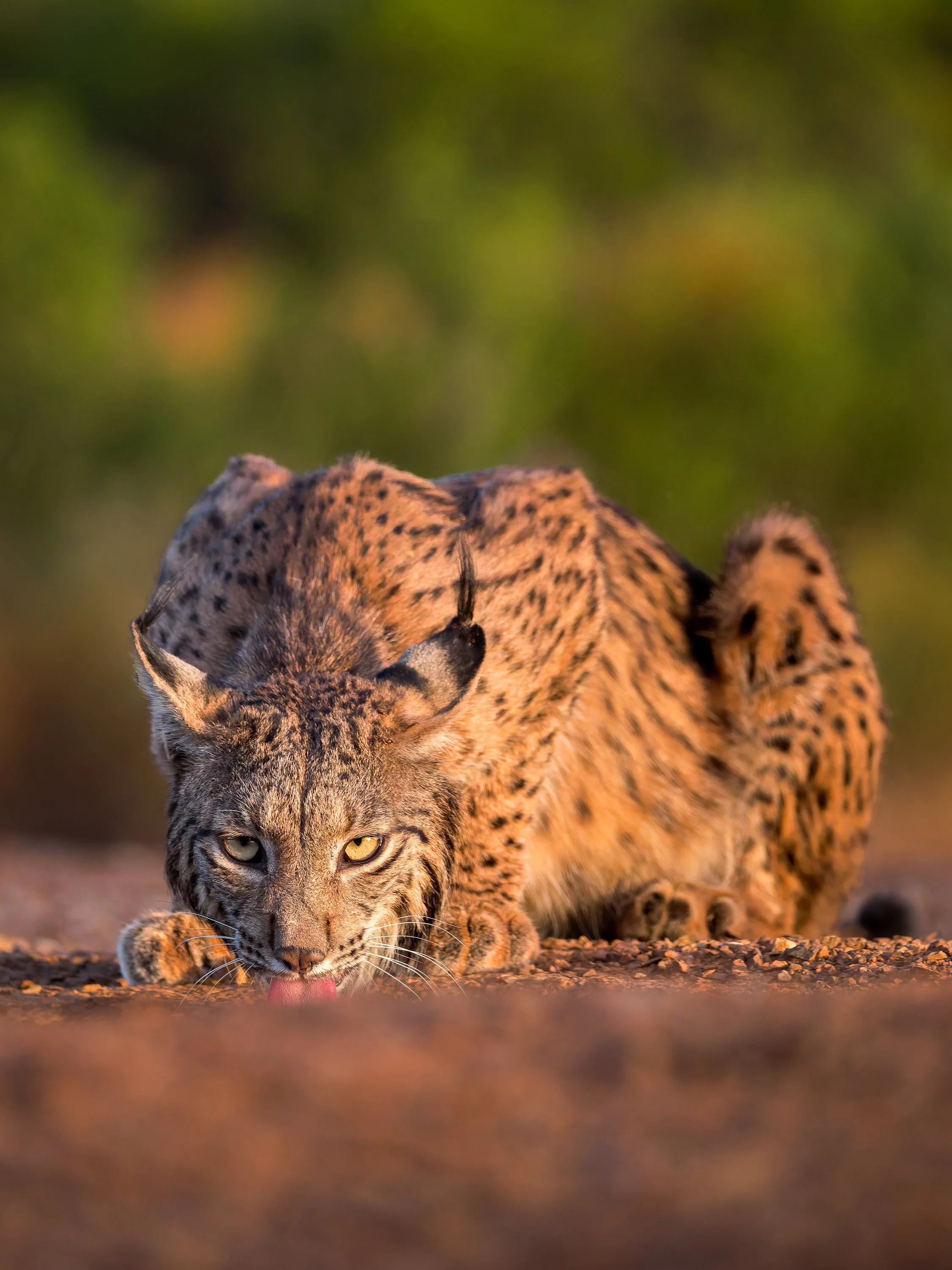
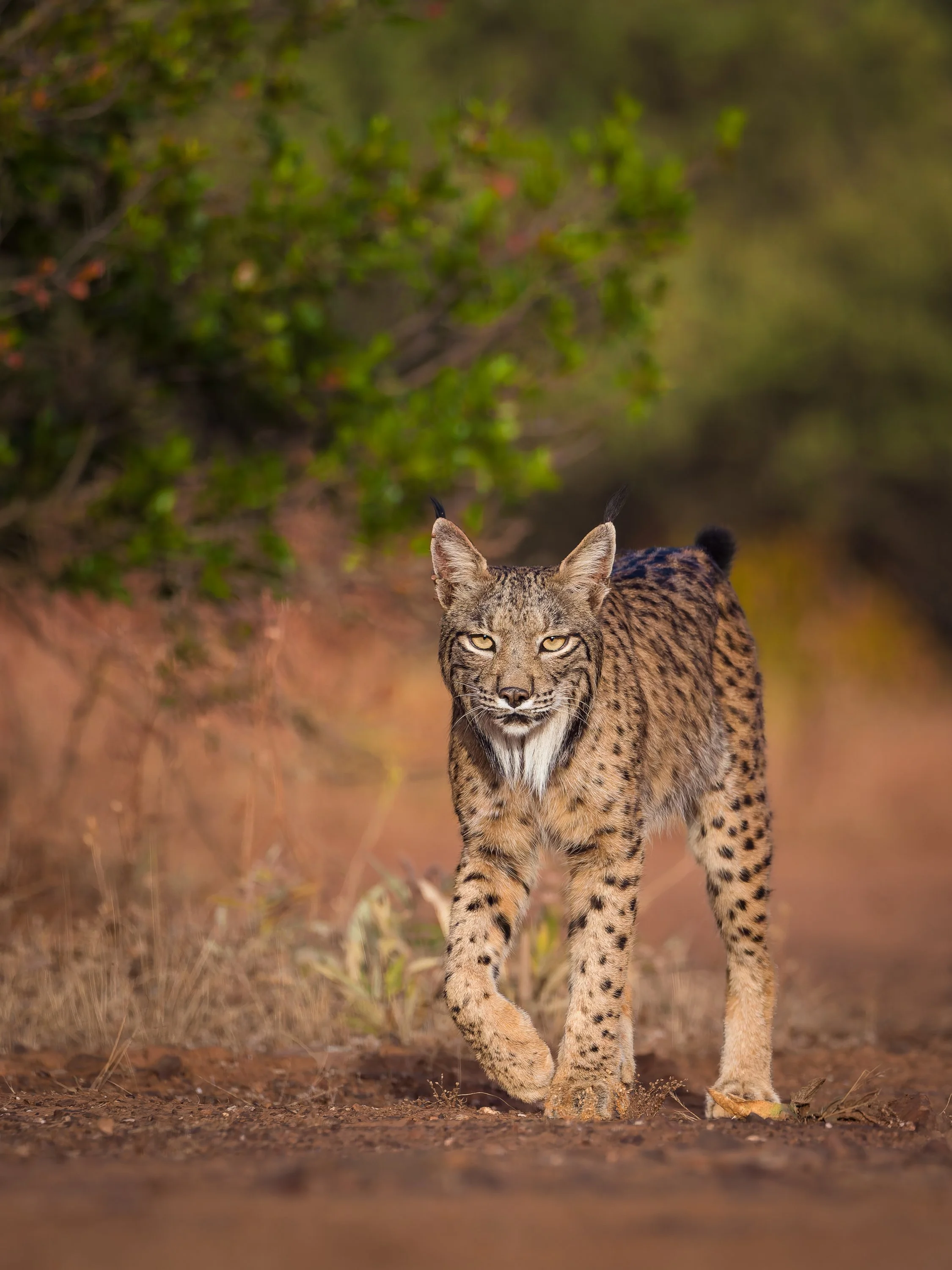
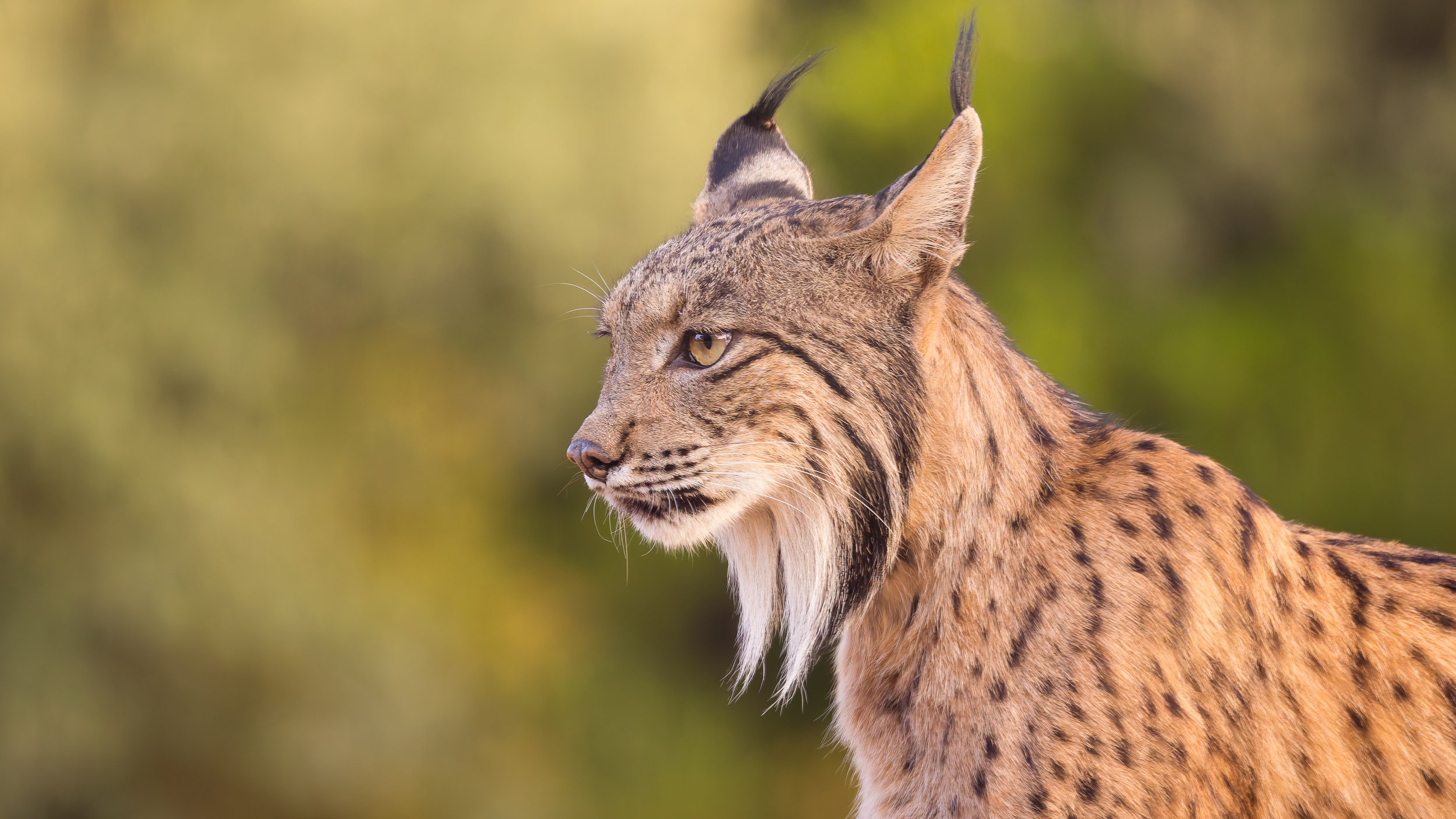
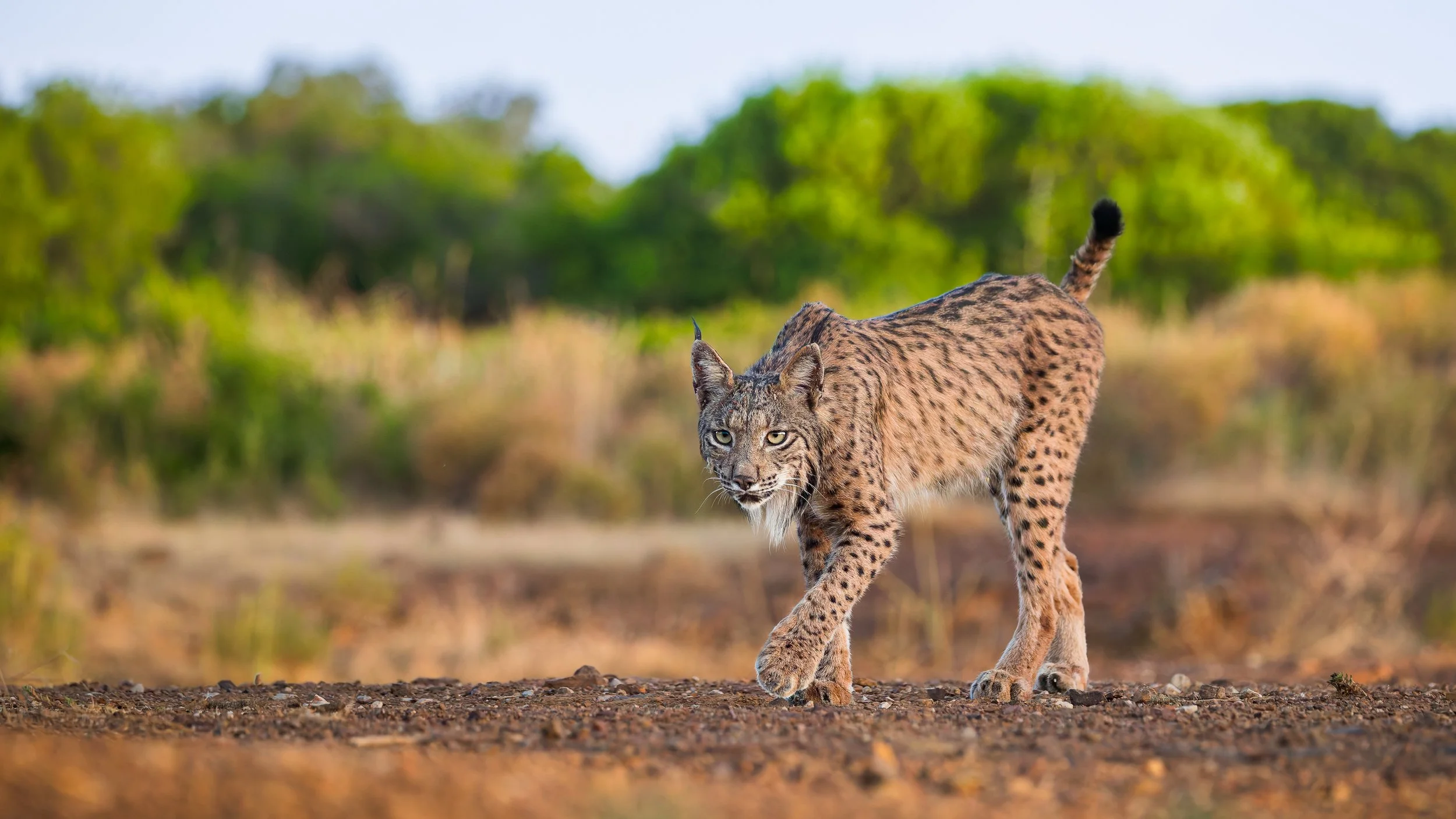
My 50 hours in the hide, waiting for a lynx, resulted in a sum-total of 10 minutes with lynxes. To an outsider, that would sound rather inefficient. Without some crazy luck, though, it’s impossible to get the 10 minutes without the 50 hours. The 10 minutes look like the hard thing. The 50 hours are the hardest thing.
I’m not sure where software engineering is headed. What I sure do hope is that in the quest for the seemingly hard thing, we don’t lose focus on the actual hard things! The design challenge for the future of software engineering may well be to find ways so people enjoy the 50 hours in the hide, and not just show up for the 10 minutes with the lynx.